Tanker Trailers
Dry Bulk Pneumatic Trailer
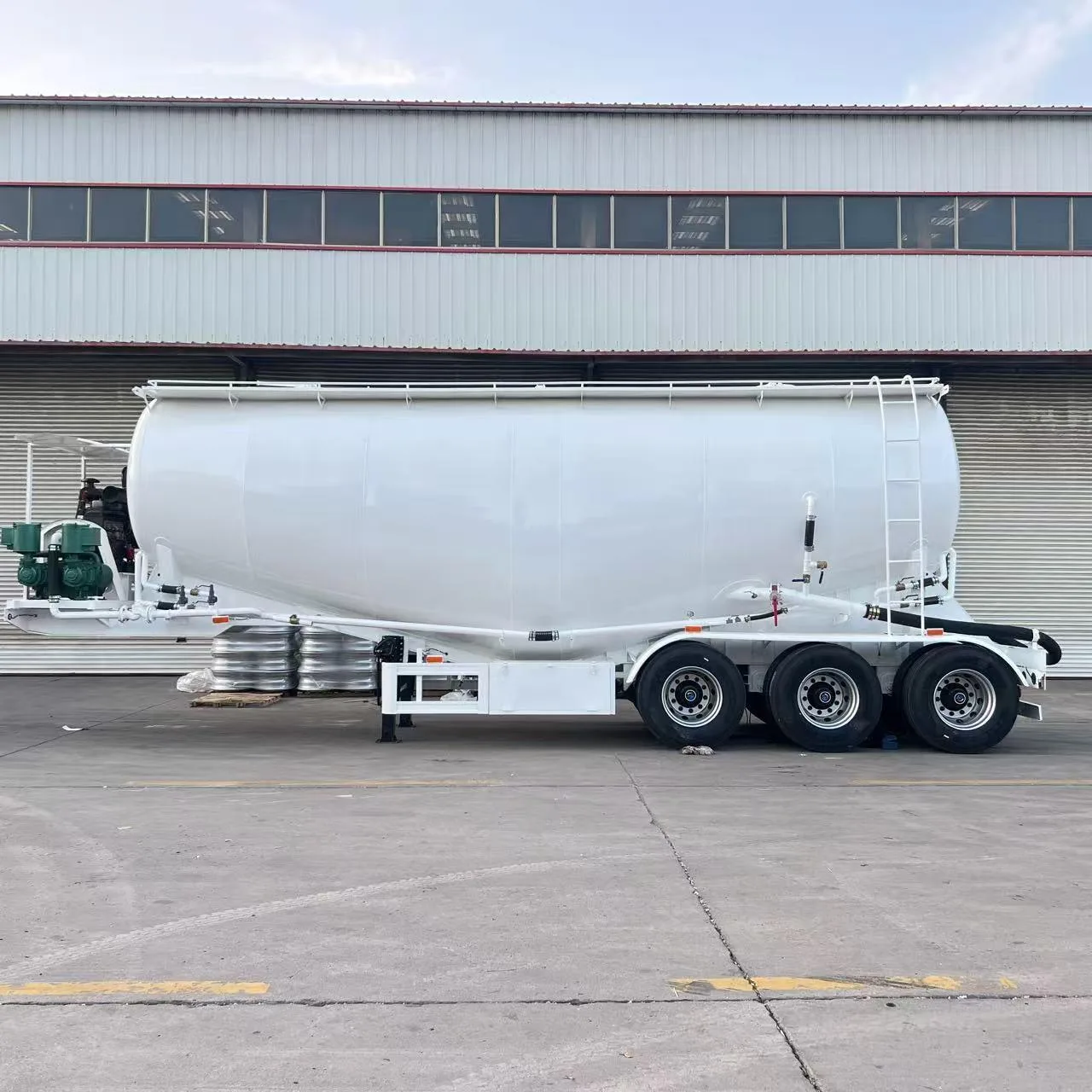
SIGMA's pneumatic bulk trailer moves cement, fly ash, and other dry powder materials in a sealed tank, unloading through an onboard air compressor.
Over 10 years of manufacturing excellence, trusted by clients in 50+ countries.
Overview
A pneumatic bulk trailer is built around a sealed steel or aluminum tank divided into 3 to 5 compartments, each fitted with its own discharge valve so a single load can serve more than one customer without cross-contamination. That compartment layout matters because cement, fly ash, and lime move as fine powder that gravity alone won't unload cleanly. This cement pneumatic trailer design uses an onboard air compressor and blower line to push material out through a discharge hose, which keeps dust exposure down compared to open dump trailers. SIGMA builds each dry bulk trailer with a rounded tank profile that resists internal material bridging during transport. Some export markets call this same unit a dry bulk tanker, though it hauls powder rather than liquid cargo.
Features
- Sealed tank divided into 3-5 compartments, each with an independent discharge valve for multi-stop cement and powder delivery
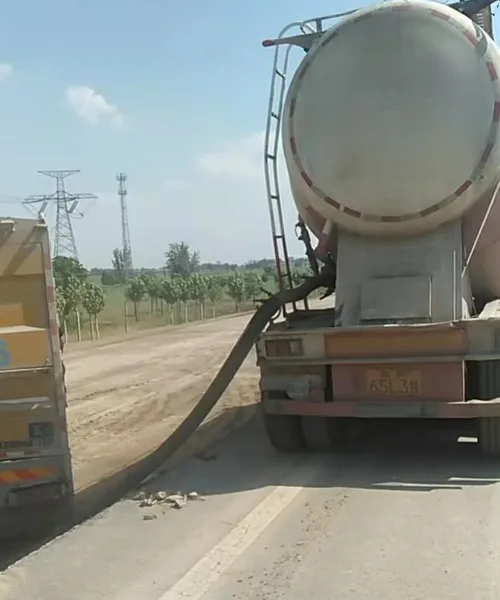
- Onboard air compressor and blower system unloads through a hose connection, avoiding the dust cloud of a tipping discharge
- Rounded tank cross-section reduces internal bridging of cement, fly ash, or lime during transport
- Air suspension standard, matching the ride quality most bulk trailers for sale need at cement plants and terminals
- Pressure relief and safety valves on every compartment protect against over-pressurization during pneumatic unloading
- Q345B carbon steel or aluminum alloy tank options depending on payload and corrosion requirements
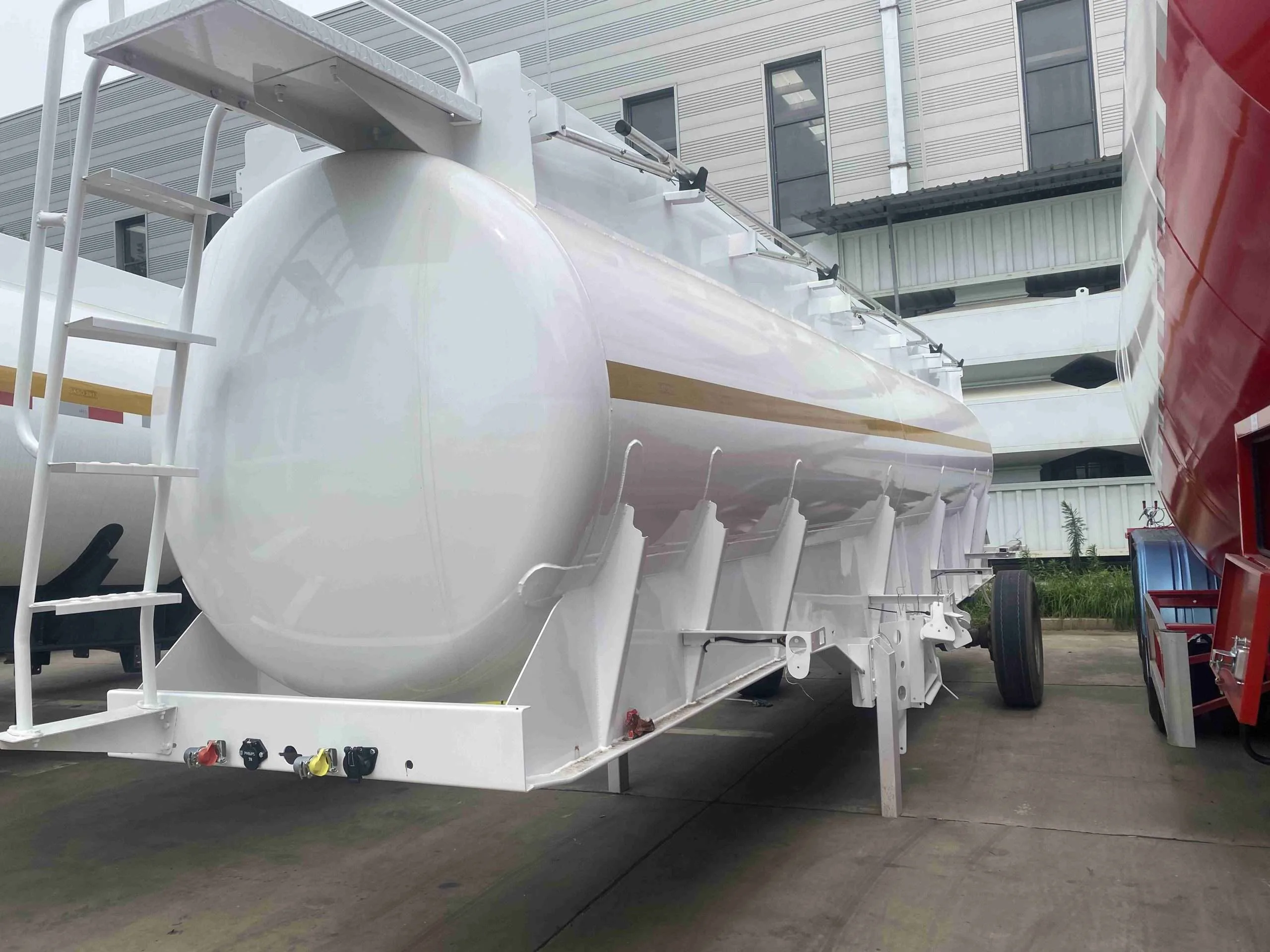
- Ladder and top manway access for cleaning between different powder materials
Applications
- Cement plant distribution
- Ready-mix concrete batching plants
- Fly ash and lime transport
- Silo filling at construction sites
- Powder chemical bulk delivery
- Grain and feed milling supply
Sealed-Tank Design for Powder Material
A pneumatic bulk trailer carries cement, fly ash, or lime in a sealed steel tank rather than an open bed, which matters because these materials turn to dust on contact with wind or vibration the way aggregate on a flatbed trailer never does. SIGMA builds the tank in a rounded cross-section that keeps fine powder moving instead of bridging against flat panels during transport. Buyers looking for a dry bulk trailer usually specify 3 to 5 compartments so a single load can supply more than one job site or customer without mixing different cement grades in transit.Pneumatic Discharge System
Unloading runs through an onboard air compressor and blower line rather than gravity or tipping, which is the main difference between a cement pneumatic trailer and a standard tipper. Each compartment carries its own pressure relief valve and discharge outlet, so the driver can empty one compartment at a time through a hose connection at the customer's silo. Among pneumatic trailers for sale in this class, tank material comes down to a straightforward tradeoff: Q345B carbon steel costs less, while aluminum alloy cuts tare weight and resists corrosion better on coastal or humid routes.Compartments and Fleet Use
Cement plants and ready-mix operators shopping cement bulk trailers for sale generally run these units on fixed routes between a plant and several batching sites, which is why compartment count matters more here than on a general-purpose bulk trailer. Air suspension is standard rather than optional, since batching plants often sit on paved yards where ride quality affects tank fatigue over years of daily loading. Fleets that also move plant equipment or silos between sites typically keep a lowbed trailer in the same fleet for that heavier, oversized cargo.Dry Bulk Tanker vs Cement Tanker: Which Pneumatic Trailer Fits Your Cargo
A dry bulk trailer and a cement tanker trailer share the same basic idea — a sealed tank with pneumatic discharge instead of gravity dump — but they're built around different jobs. The dry bulk trailer runs a round tank cross-section sized at 30-60 m³ across 3-5 compartments, built in Q345B carbon steel or aluminum alloy, and its onboard air compressor and blower line are sized for general powder cargo: fly ash, lime, feed and powder chemicals as well as cement. The cement tanker trailer is the cement-specific version of the same concept, offered in a W-shape or round profile up to 66 m³ across 3-4 compartments, with fluidizing pads under the tank floor and a PTO-driven or standalone air compressor rated to 0.2 MPa working pressure — the fluidizing-pad discharge is built specifically around packed cement's tendency to compact in transit, which a general dry bulk trailer's blower-line discharge doesn't target as precisely. Buyers running fixed cement-plant-to-batching-site routes generally spec the cement tanker's W-shape tank for the extra volume per meter of chassis length; buyers moving a mix of cement, fly ash, lime and other bulk powders across varied routes are usually better served by the dry bulk trailer's more general-purpose round tank and compartment layout.Matching Tank Configuration to the Material You're Hauling
Dry bulk trailer compartment count and tank profile should follow the material being hauled, not just total tonnage. Cement, fly ash and lime move as fine powder that packs and bridges inside a tank if the cross-section isn't rounded to keep material flowing — this is why SIGMA builds the dry bulk trailer's tank in a rounded profile rather than a flat-sided box, regardless of which of these three materials fills it. Grain and feed-milling cargo, listed among the dry bulk trailer's standard applications alongside cement and powder chemicals, runs through the same pneumatic discharge system but generally needs fewer compartments and more attention to a clean, dust-sealed manway and ladder access for material changeover between loads, since carrying a chemical or cement residue into a grain compartment is a contamination risk in a way it isn't between two cement grades. Buyers hauling a genuinely mixed materials list — cement on one route, fly ash or feed on the next — should specify compartment count and discharge valve layout around the most demanding material in that mix, not the average, since a tank sized and sealed for cement handles free-flowing lighter powders without issue, but the reverse isn't guaranteed.Frequently Asked Questions
What are the standard dimensions of a dry bulk trailer?
Overall length runs about 11,000mm, width 2,500mm, and height around 3,900mm on the standard 3-axle chassis, with tank volume from 30 to 60 m³ depending on the 3-5 compartment configuration ordered. Longer or shorter tanks can be built to match specific compartment counts or route length limits.
What is the difference between a dry bulk tank and a cement tanker?
Both use pneumatic discharge instead of gravity dump, but a dry bulk trailer runs a general-purpose round tank (30-60 m³, 3-5 compartments) sized for cement, fly ash, lime and other powders, while a cement tanker trailer adds fluidizing-pad discharge and a W-shape tank option up to 66 m³ built specifically around cement's tendency to compact in transit. Buyers hauling only cement on fixed plant-to-site routes are usually better served by the cement tanker; buyers moving a mix of powders across varied routes by the dry bulk trailer.
Can one dry bulk trailer carry cement on one route and grain or fly ash on the next?
Yes — the same sealed-tank, multi-compartment design handles cement, fly ash, lime and grain or feed cargo, all listed among its standard applications. The independent discharge valve on each compartment keeps different loads from mixing within a single trip, and the ladder and top manway access make it possible to inspect or clean a compartment between different materials.
Does a dry bulk trailer need a separate air compressor truck to unload?
No — the standard build carries its own onboard air compressor and blower line, so it discharges independently at the customer's silo through a hose connection rather than tipping. Pressure relief and safety valves on every compartment protect against over-pressurization while the blower is running.
Get a Quote
Interested in This Product?
Get factory-direct pricing and custom specifications. We reply within 24 hours.
Chat on WhatsAppor contact our engineers directly: [email protected]