30,000 – 60,000 L · 3-5 Compartments · CIF Export
Fuel Tanker Trailer Capacity Guide
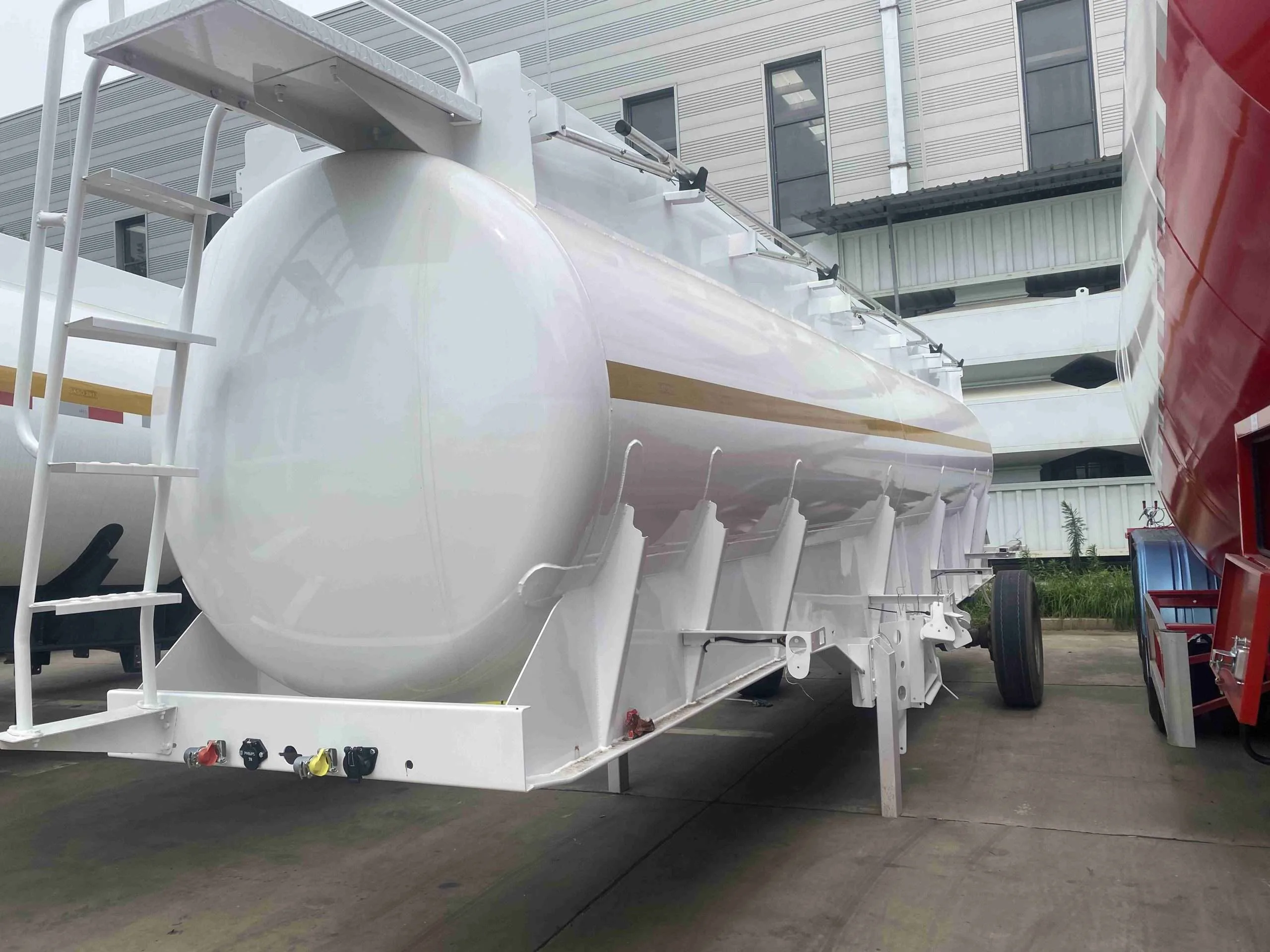
Fuel tanker trailer capacity is set by three things together — total volume, compartment count and axle rating — not by tank volume alone. This page covers the 30,000-60,000 liter range we build and how to size it correctly.
Over 10 years of manufacturing excellence, trusted by clients in 50+ countries.
Buyers researching fuel tanker trailer capacity are usually deciding between two things: how much total volume they need, and how many compartments to split it into. Both questions matter more than picking a single liter figure, because a 45,000 liter tank split into 3 compartments serves a different operation than the same volume split into 5.
Note this is a different product from a truck-mounted saddle fuel tank (the small tank bolted to a truck's own chassis for its own fuel) — a fuel tanker trailer is the cargo tank towed behind a tractor unit to deliver fuel to depots, stations and sites.
How Much Fuel Tanker Trailer Capacity You Actually Need
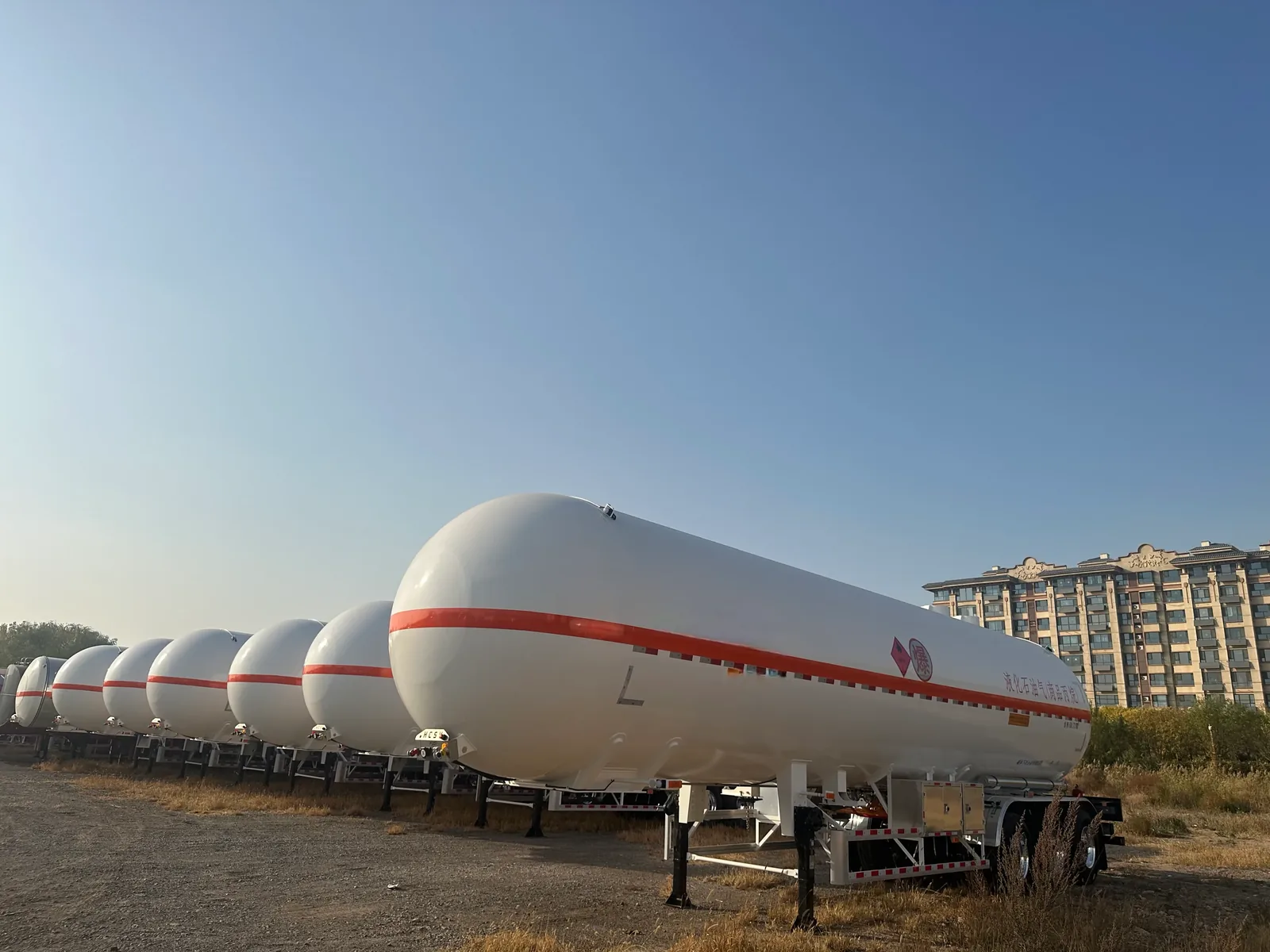
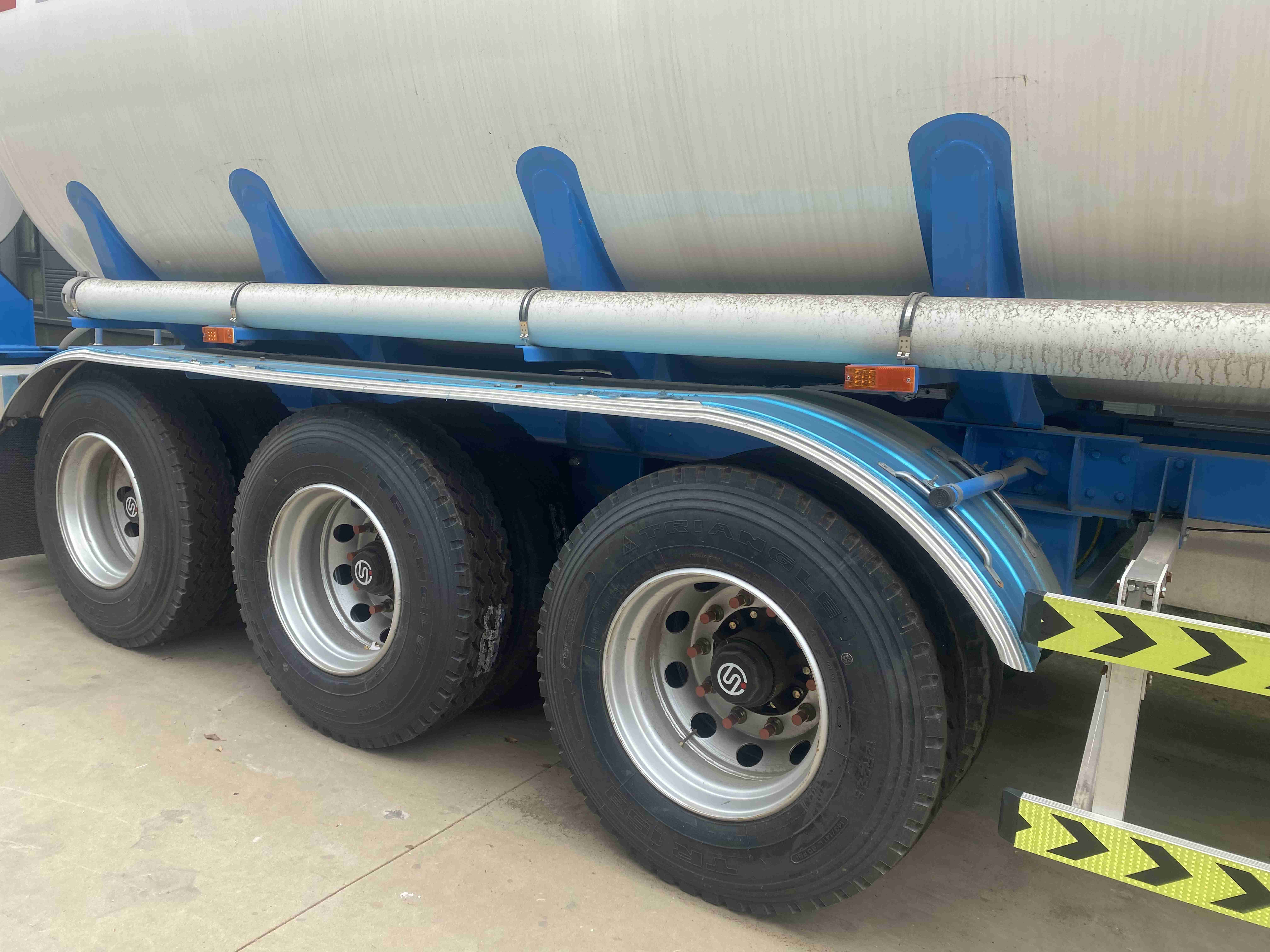
Our standard range runs 30,000 to 60,000 liters on a 3-axle chassis. The lower end suits regional depot-to-station delivery and fleets that value maneuverability over maximum payload per trip; the upper end suits long-haul interstate fuel transport where fewer, larger loads cut cost per liter delivered. Tare weight sits near 7,500kg regardless of tank material, so payload capacity scales almost directly with the tank volume you order.
Compartment Count Sets Flexibility, Not Just Size
A single-grade fuel hauler can run fewer, larger compartments. An operator moving diesel, gasoline and kerosene on the same route needs 3-5 compartments with individual manholes and baffles so grades never cross-contaminate. More compartments at the same total capacity means smaller deliveries per grade and more fittings to maintain — the right count depends on how many fuel grades you actually move per trip, not on maximizing flexibility for its own sake.
Aluminum or Steel Changes Effective Capacity
At a fixed axle rating, a lighter tank shell leaves more of the gross weight limit available for actual fuel. 5083 aluminum alloy tanks weigh less than Q345B carbon steel at the same volume, which is why long-haul operators chasing maximum payload per trip often spec aluminum despite the higher unit cost. Depot-to-station operators running shorter routes more often choose carbon steel for the lower purchase price, since the payload difference matters less over a shorter trip.
Related Tankers We Build
The same chassis platform underpins our water tanker trailer and chemical tanker trailer lines, so fleets running mixed liquid cargo can standardize axles and running gear across tank types. See the full fuel tanker trailer range for every compartment and material option.
Frequently Asked Questions
What is the standard capacity of a fuel tanker trailer?
Our range runs 30,000 to 60,000 liters on a 3-axle chassis. Smaller volumes usually make more sense as a truck-mounted tank rather than a full semi trailer; if your requirement is under 30,000 liters, tell us the figure and we'll confirm the best fit.
Is an oil tanker trailer the same as a fuel tanker trailer?
In practice, yes — both terms describe the same multi-compartment liquid cargo trailer for petroleum products. Specification questions are the same regardless of which term is used: total capacity, compartment count, and tank material.
How many compartments do I need?
One compartment per fuel grade you move on a typical trip. Hauling only diesel needs fewer, larger compartments; moving diesel, gasoline and kerosene on the same route needs 3-5 compartments so grades never mix in transit.
Aluminum or steel — which affects capacity more?
Neither changes the tank's volume, but aluminum's lower weight leaves more of your gross weight limit available for actual fuel payload at the same axle rating. It costs more upfront; long-haul operators moving maximum volume per trip usually find it pays back faster than short regional routes do.
What is the delivery time?
Standard configurations typically ship 30-35 days from order confirmation; custom compartment layouts or paint run closer to 45 days. Every unit ships with a hydrostatic test certificate and compartment capacity chart for customs clearance. We quote CIF to most African, Middle Eastern and Southeast Asian ports.
Get a Quote
Interested in This Product?
Tell us your fuel grades and typical trip volume — we will spec compartment count and material and quote CIF.
Chat on WhatsAppor contact our engineers directly: [email protected]