Liangshan Factory · 3-Axle · Fixed or Detachable Gooseneck · CIF Export
60 Ton Lowbed Trailer — 3-Axle Heavy Haul Lowboy
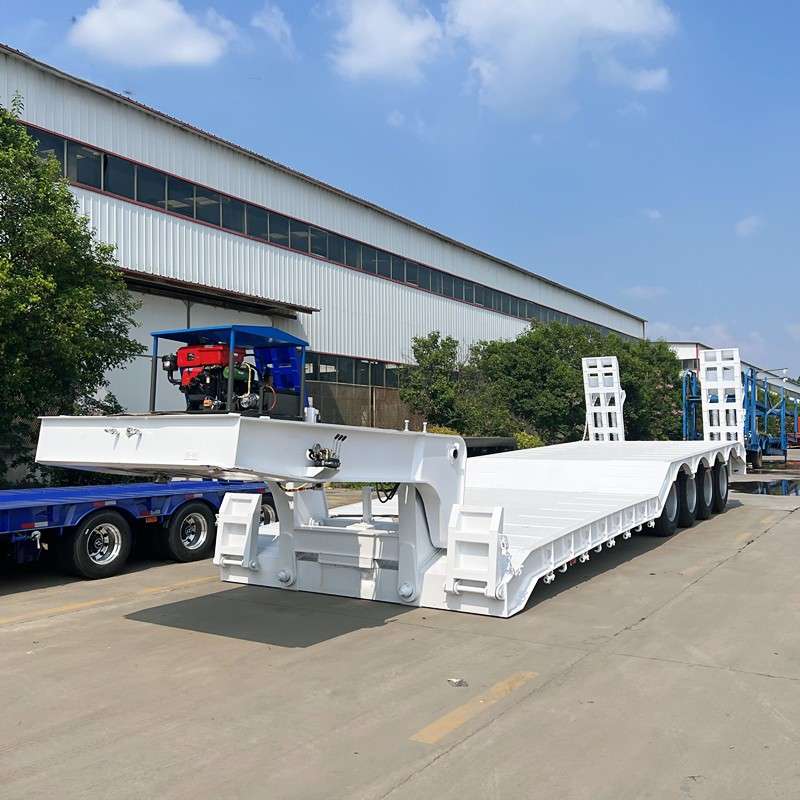
A 3-axle lowbed built for a 60 ton working payload — low enough to clear bridge height limits with an excavator on the deck, heavy enough for the loaders and cranes that break standard flatbeds.
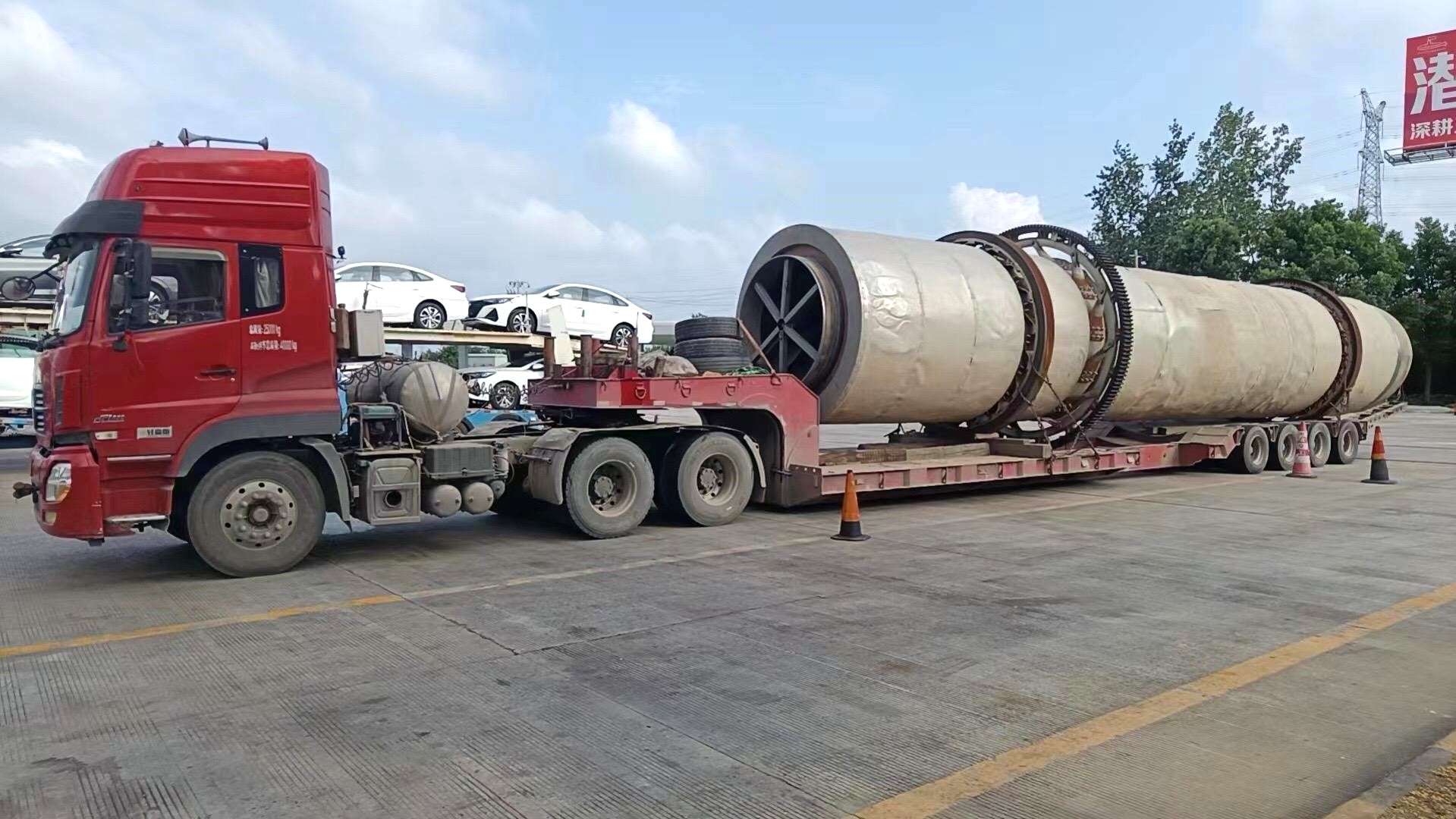
Over 10 years of manufacturing excellence, trusted by clients in 50+ countries.
Sixty tons is the most common heavy-haul rating we ship. It covers a 45-50 ton excavator with its bucket and counterweight, a mid-size wheel loader, or a rough-terrain crane — the equipment that puts a standard flatbed over its axle limits long before the deck runs out of room.
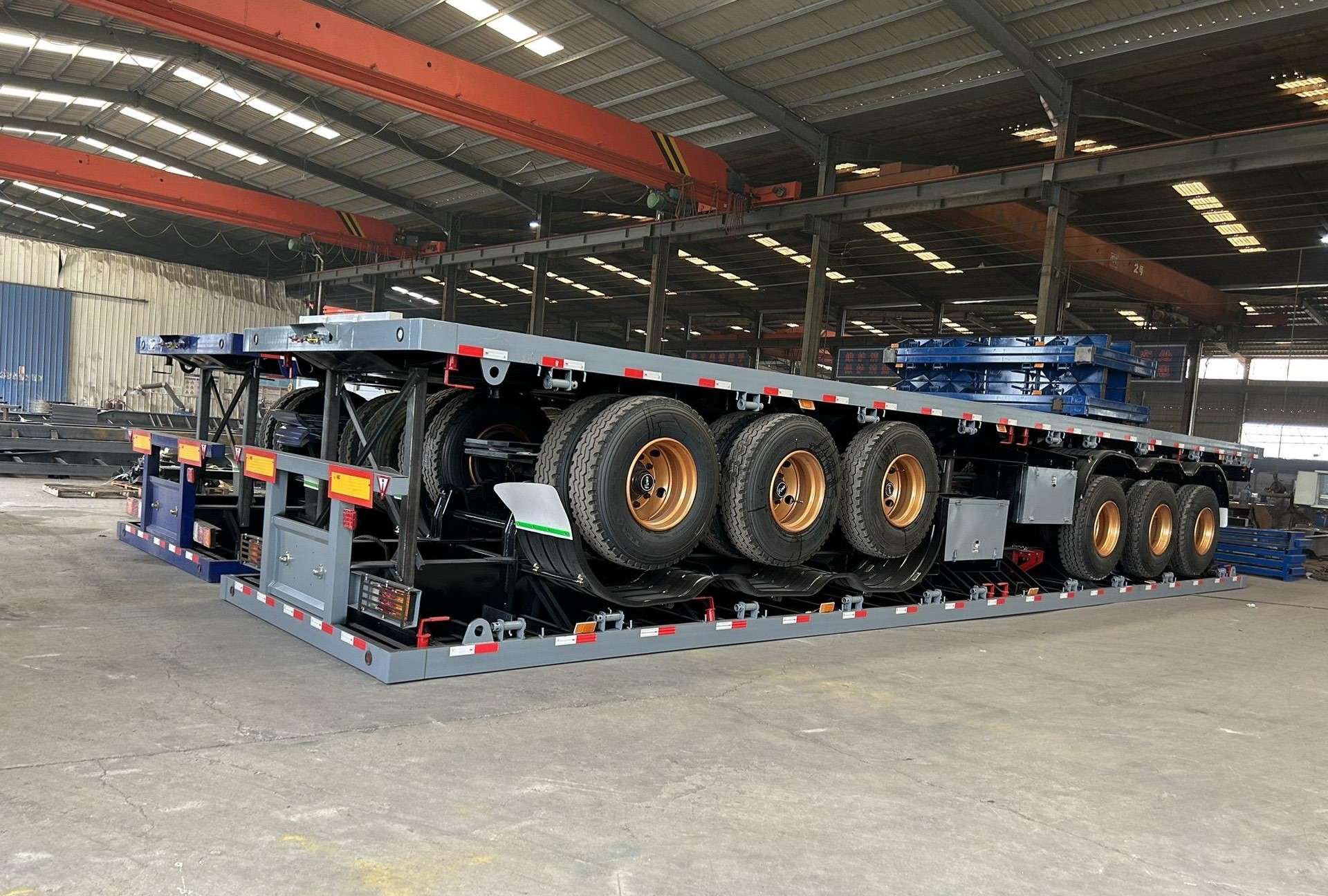
At this rating the trailer is normally a 3-axle build. Two axles will carry 60 tons on paper, but the axle loads it produces are illegal on most export routes and punish the tyres on unpaved sections. Four axles add tare weight and cost that a 60 ton job does not need. Three 13-ton axles under a Q345B box girder is the configuration that actually leaves our yard.
What 60 Tons Means on a Real Load
Rated payload is measured on level ground with the load centred over the bogie. On a haul road with grades, potholes and a load sitting forward of centre, the working margin is smaller. We size the main beam for 60 tons concentrated over the deck's middle third, which is where a tracked excavator sits once it is chained down.
If your regular load is a 50 ton excavator, a 60 ton lowbed trailer is the right unit — the 10 ton headroom absorbs the attachment, the fuel, and the uneven weight split between tracks. If you are moving 60 tons every trip, tell us: we will quote the 4-axle build instead of selling you a trailer that runs at 100% of its rating on every job.
Gooseneck Options at This Rating
Fixed gooseneck — the standard build. Lowest tare weight, lowest cost, nothing hydraulic to service. Equipment loads over rear ramps. This is what most fleets buy.
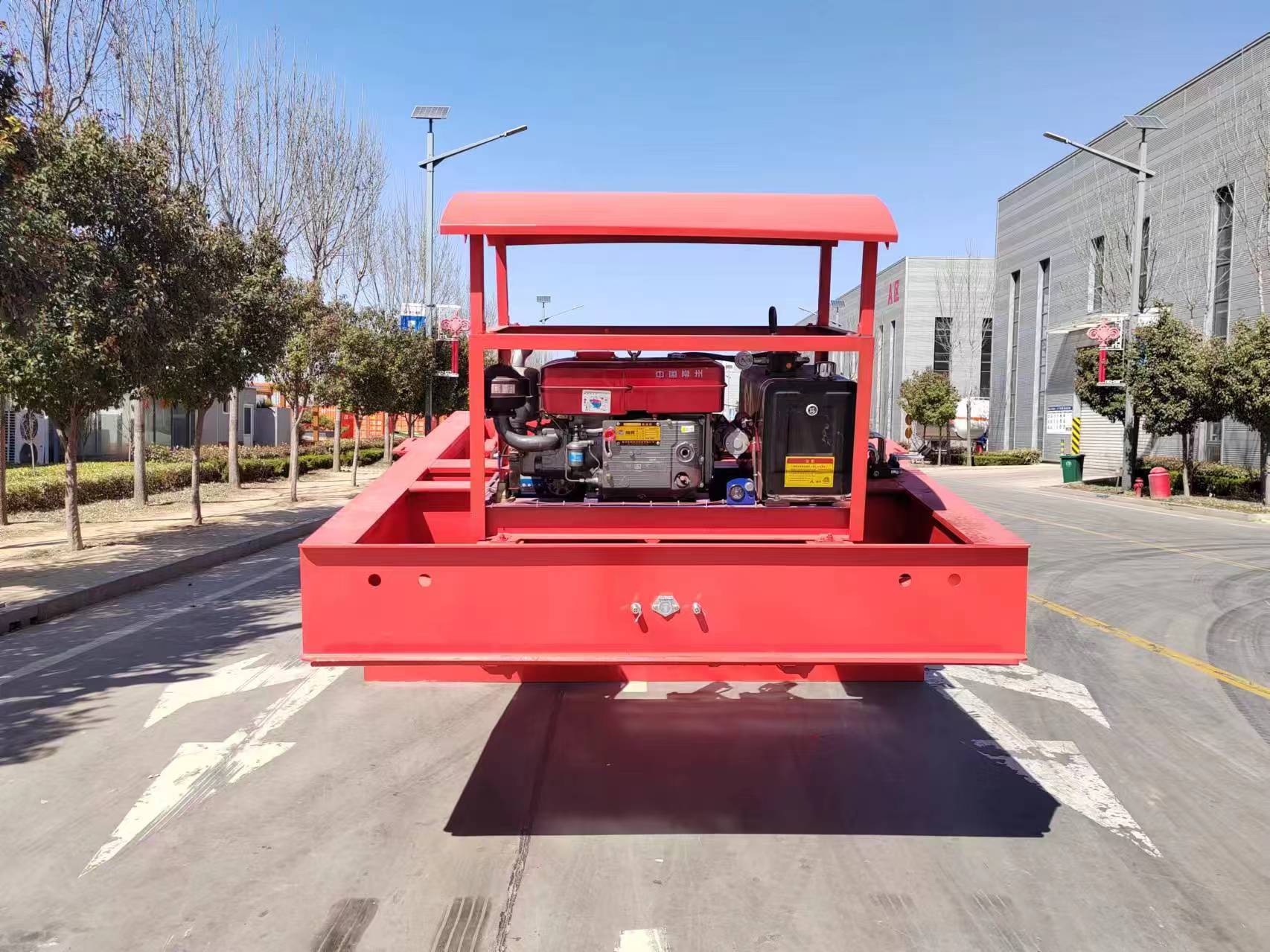
Hydraulic detachable gooseneck (RGN) — the neck disconnects and lowers the deck to the ground so equipment drives on from the front instead of climbing ramps. Worth it if you load low-clearance machines like pavers or if your operators load in yards without a ramp. Adds roughly 1,500 kg tare and a hydraulic system that needs maintenance. See the RGN trailer for that build.
Mechanical detachable neck — a middle option. Cheaper than hydraulic, slower to couple.
Specification Notes That Matter on Export Orders
Deck height. 350mm loaded on the main deck is achievable but only with small-diameter tyres, which wear faster on rough roads. Most 60 ton units leave here at 500-600mm, which clears standard bridge limits with an excavator cab on the deck and still runs 12R20 tyres you can source locally.
Axle brand. FUWA and BPW are what buyers ask for by name. We fit both. The axles are not where a cheap trailer saves money — the main beam steel grade and the weld quality on the gooseneck are.
Suspension. Mechanical bogie is standard and is what we recommend for African and Central Asian routes: it survives being overloaded and can be repaired anywhere. Air suspension rides better on paved highway work.
Ramps. Mechanical fold-down ramps are standard. Hydraulic ramps are worth it if a single driver loads without help.
Other Ratings We Build
The same frame family runs from 40 to 100 tons. Our lowbed range covers 2 to 6+ axles. Above 100 tons the job usually needs a hydraulic modular build rather than a fixed-axle lowbed — send us the load dimensions and axle weights and we will tell you which one it is, including when the answer is "you don't need the bigger trailer".
Frequently Asked Questions
Can a 60 ton lowbed trailer carry a 60 ton excavator?
On paper yes, but we would quote you the 4-axle build instead. A 60 ton machine plus bucket, counterweight and fuel is usually 63-66 tons at the deck, and running a trailer at or above its rating every trip shortens the life of the main beam and the axles. The 60 ton rating suits machines in the 45-52 ton class.
What is the difference between a 60 ton lowbed and a 60 ton lowboy?
Nothing — they are the same trailer. Lowbed is the term used across Africa, the Middle East and Asia; lowboy is the North American term. Low loader is the common British and Australian term. Buyers searching any of the three are describing a drop-deck heavy haul trailer.
How many axles do I need for 60 tons?
Three 13-ton axles is the standard answer and what most export orders ship as. Two axles are legal in a few markets but produce axle loads that fail weighbridges on most routes. Four axles are for loads above 70 tons or for countries with strict per-axle limits — tell us your destination and we will check the limit before you order.
What is the delivery time and how is it shipped?
Standard 3-axle builds are typically 25-35 days from order confirmation. Lowbed trailers ship RO-RO or as breakbulk on a flat rack depending on the destination port; the gooseneck can be detached to reduce shipping height on RGN builds. We quote CIF to most African, Middle Eastern and Southeast Asian ports.
Do you supply the tractor unit as well?
Yes. A 60 ton lowbed needs a 6x4 tractor with adequate torque and a 3.5 inch fifth wheel to match the king pin. See our tractor units, or send your route profile (grades, distance, road surface) and we will recommend the pairing.
Get a Quote
Interested in This Product?
Tell us the machine you haul and your destination port — we will confirm the axle count and quote CIF.
Chat on WhatsAppor contact our engineers directly: [email protected]